
As part of BEAM Fieldwork’s 10-year anniversary, our Founder and Managing Director, Amy Middleton, has been looking back at the moments that shaped us. Here, Amy reflects on the uncertainty, ingenuity and unexpected humour of the Covid years.
Covid tested BEAM in ways we could never have predicted. It disrupted projects, changed how we worked almost overnight and forced us to rethink what fieldwork could look like.
It also showed us just how resilient, creative and adaptable our team could be.
WHEN TWO WEEKS BECAME TWO YEARS
In March 2020, we packed up our laptops and said, “We’ll work from home for a couple of weeks.” Two years later, we were asking, “Does anyone remember where the office kettle went?” None of us knew what was coming. Within 48 hours, almost every live project had paused.
The phone calls started quickly. One client needed to cancel everything. Another suddenly needed us to recruit 200 people for an online study by Friday. Almost overnight, we became experts in reforecasting, contingency planning and pretending not to panic.
Behind the humour, those first few weeks were incredibly tough. Our priorities were simple: support our clients, protect our participants and look after our team. The difficult part was that the situation seemed to change by the hour.
Yesterday’s plan could be irrelevant by lunchtime. So, we listened, adapted and kept moving.
THE GREAT ZOOM LEARNING CURVE
Like much of the world, we discovered Zoom and spent the next 18 months saying, “You’re on mute.”
Online research quickly became essential, but moving projects online involved more than sending a meeting link. We had to make sure participants had the right technology, a reliable connection and the confidence to use unfamiliar platforms.
That meant test calls, troubleshooting and plenty of patient support. People joined sessions from bedrooms, kitchens and parked cars. One memorable participant even joined from the bath.
It was not always conventional, but it worked.
WHEN HOME BECAME HEAD OFFICE
My kitchen table became BEAM Head Office, permanently covered in laptops, invoices and crumbs. Meanwhile, the team were running projects from kitchens, spare rooms and makeshift desks across eight different homes. We quickly proved that fieldwork could continue, even if flexible working sometimes meant answering emails at 9pm in joggers.
Home life inevitably crept into calls too:
“Sorry, my child has just appeared.”
“Hang on, someone’s at the door.”
“Apologies for the dog.”
Those interruptions were a reminder that everyone was navigating the same strange situation, and empathy became more important than ever. We also established that “you’re on mute” was neither feedback, a strategy nor an acceptable project sign-off.
A NEW FIELDWORK PLAYBOOK
During Covid, simply getting a project live could feel like a major achievement. Then came the next question: could everyone’s Wi-Fi cope? Every project needed extra contingency planning, from technical rehearsals and backup numbers to replacement participants.
As face-to-face research returned, the checklist grew again. Suddenly, we were buying PPE, sanitiser and signage as though BEAM had launched a new product range, while becoming unexpectedly knowledgeable about ventilation.
Recruitment, venues and schedules were now joined by distancing, cleaning procedures and lateral flow tests. It was a lot to manage, but those details helped participants feel safe and gave clients confidence that research could continue.
KEEPING BEAM TOGETHER
We worked hard, but we also found ways to stay connected.
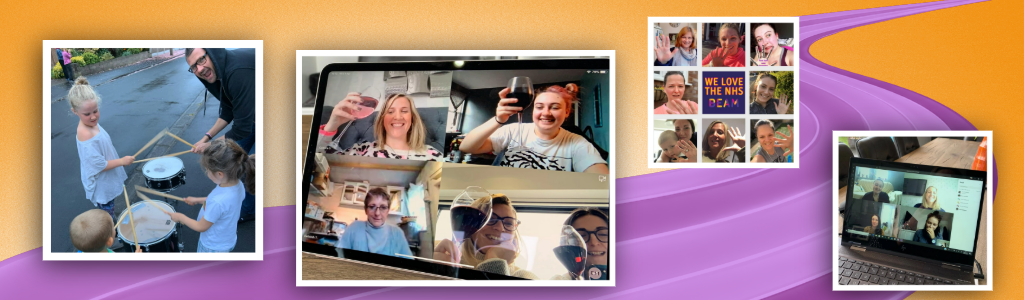
Deborah made plant-growing kits for the team, Wine Wednesdays gave us a chance to switch off, and a 5K challenge got us away from our screens. We also joined in with Clap for Carers. BEAM being BEAM, ours involved a full drum kit. It was heartfelt, enthusiastic and probably not what the neighbours expected.
None of it removed the uncertainty, but it helped us feel like a team when we could not physically be together.
THE LESSONS THAT STAYED
Covid changed almost everything about how we worked, but the fundamentals stayed the same. We still needed to find the right people, support participants and deliver dependable fieldwork for our clients. We just had to find new ways to do it.
We became more flexible, more confident with online and hybrid research, and even better at contingency planning. Most importantly, we saw what our team could achieve when everyone pulled together.
There were difficult days, unexpected laughs and an unreasonable amount of coffee, but we came through stronger, with lessons that still shape how we work today. As we celebrate 10 years of BEAM, I want to thank everyone who helped us through that chapter: our team, our clients, our partners and, of course, our participants.
Here’s to everything Covid taught us. And hopefully never turning my kitchen into BEAM HQ again.